
Grip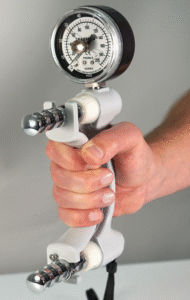 -Strength and Heart Health: A Harvard Health study reveals that grip strength may be a simple, inexpensive indicator of heart health—potentially predicting cardiovascular risk better than blood pressure.
A landmark study published in The Lancet and summarized by Harvard Health Publishing found that grip strength—measured using a handheld dynamometer—can provide valuable insight into heart health and overall longevity. Researchers tracked 140,000 adults across 17 countries for four (4) years and discovered that each 11‑pound decrease in grip strength correlated with:
-
- 16 % higher risk of death from any cause
- 17 % higher risk of heart‑disease‑related death
- 9 % higher risk of stroke
- 7 % higher risk of heart attack
Even after adjusting for age, smoking, and exercise, weaker grip strength remained a strong predictor of cardiovascular events—outperforming blood pressure as a risk marker.
Why Grip Strength Matters
Grip strength reflects muscle quality, physical fitness, and biological age. Weak muscles may indicate reduced resilience to chronic disease and slower recovery from illness. Researchers suggest that grip strength could serve as a biomarker of aging, helping clinicians assess cardiovascular risk quickly and non‑invasively.
How to Improve Grip Strength (and Heart Health)
These habits strengthen muscles and improve circulation, supporting both grip strength and cardiovascular health:
-
- Resistance training two to three times per week
- Hand‑grip exercises using grippers or stress balls
- Functional movements like push‑ups, rows, and deadlifts
- Active daily habits—take stairs, lift groceries, stretch while standing
- Balanced nutrition with lean proteins, legumes, nuts, and whole grains
- Adequate sleep (7–8 hours nightly) for muscle recovery