Sedative prescriptions post-hospital discharge increase risk of falls

A majPrescriptions and Fall Riskor Canadian study published in CMAJ reveals that new sedative prescriptions after hospital discharge significantly increase the risk of falls, emergency visits, readmissions, and death in older adults. The danger is greatest for patients who were not previously using sedatives, especially when prescribed benzodiazepines or antipsychotics. With more than 1.86 million older adults analyzed over 20 years, the findings underscore the urgent need for careful medication review, deprescribing, and fall‑prevention strategies during transitions from hospital to home.

CMAJ Study with Older Adults and Falls: Click here

Key Findings – Risk of Falls

1. Sedative prescribing is common

  • 13.2% of older adults filled a sedative prescription within 7 days of discharge.
  • 31% of these were sedative‑naive before admission.

2. New sedative use sharply increases adverse outcomes

  • Falls: HR 1.20
  • ED visits: HR 1.20
  • Hospital readmission: HR 1.20
  • Death: HR 1.78 These events typically occurred within the first 8–13 days post‑discharge.

3. Risk varies by sedative class

  • Benzodiazepines: Increased risk for all outcomes in sedative‑naive patients; increased fall risk even in previously exposed patients.
  • Antipsychotics: Increased risk of falls and death in sedative‑naive patients.
  • Antidepressant sedatives (mirtazapine, trazodone): Associated with lower fall risk—an unexpected finding compared with prior literature.

Why This Matters

The early post‑discharge period is a high‑risk window for older adults. Sedatives—often used for sleep, anxiety, agitation, or delirium—can impair balance, cognition, and reaction time. When newly introduced after hospitalization, these effects compound acute illness recovery, frailty, and polypharmacy.

Learn more from our BCRPA approved Older Adult course and certification:  Click here

Posted in Older Adults, Research | Leave a comment

Protected: Personal Training Assignment 1


This content is password protected. To view it please enter your password below:

Posted in KINESIOLOGISTS.CA | Enter your password to view comments.

We Were Wrong About Fasting


We Were Wrong About Fasting: New Massive Review Reveals the Real Impact on Your Brain

A review of this article on fasting:  Click here

A new comprehensive review challenges one of the most persistent nutrition myths: that fasting makes you mentally sluggish. According to a large meta‑analysis covering 71 studies and more than 3,400 participants, healthy adults show no meaningful decline in cognitive performance while fasting. Despite decades of cultural messaging—like “you’re not you when you’re hungry”—the data shows that attention, memory, and executive function remain stable whether you’ve eaten recently or not.
Why This Matters

Time‑restricted eating have exploded in popularity for their metabolic benefits, including improved insulin sensitivity, reduced inflammation, and enhanced cellular repair through autophagy. But many people hesitate to try because they fear it will impair focus or productivity. This new review suggests those fears may be unfounded for most adults.

Key Findings From the Review

  • Healthy adults perform just as well cognitively as when fed.
  • Children and adolescents do experience declines, reinforcing the importance of breakfast for developing brains.
  • Longer fasts may actually stabilize mental performance, likely due to the body’s shift to ketones as an alternative fuel source.
  • Food‑related distractions increase during fasting, but neutral cognitive tasks remain unaffected.
  • Late‑day testing showed slightly worse performance, suggesting circadian rhythms—not fasting itself—may play a role.

What This Means for You

If you’re a healthy adult exploring intermittent fasting for weight management or metabolic health, this review offers reassurance: your mental sharpness is unlikely to suffer. However, it isn’t appropriate for everyone. Children, teens, and individuals with medical conditions should approach it cautiously and with professional guidance.

Bottom Line

This massive review overturns long‑held assumptions about fasting and brain function. For most adults, fasting does not impair cognitive performance—and may even support long‑term health through powerful metabolic adaptations. As research continues to evolve, this should be viewed as a personalized tool rather than a universal prescription.

Posted in KINESIOLOGISTS.CA | Leave a comment

Grip-Strength and Heart Health

GripGrip-Strength and Heart Health-Strength and Heart Health: A Harvard Health study reveals that grip strength may be a simple, inexpensive indicator of heart health—potentially predicting cardiovascular risk better than blood pressure.

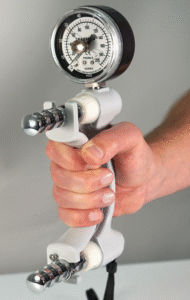
A landmark study published in The Lancet and summarized by Harvard Health Publishing found that grip strength—measured using a handheld dynamometer—can provide valuable insight into heart health and overall longevity.  Researchers tracked 140,000 adults across 17 countries for four  (4) years and discovered that each 11‑pound decrease in grip strength correlated with:

    • 16 % higher risk of death from any cause
    • 17 % higher risk of heart‑disease‑related death
    • 9 % higher risk of stroke
    • 7 % higher risk of heart attack

Even after adjusting for age, smoking, and exercise, weaker grip strength remained a strong predictor of cardiovascular events—outperforming blood pressure as a risk marker.

Why Grip Strength Matters

Grip strength reflects muscle quality, physical fitness, and biological age. Weak muscles may indicate reduced resilience to chronic disease and slower recovery from illness.  Researchers suggest that grip strength could serve as a biomarker of aging, helping clinicians assess cardiovascular risk quickly and non‑invasively.

How to Improve Grip Strength (and Heart Health)

These habits strengthen muscles and improve circulation, supporting both grip strength and cardiovascular health:

    • Resistance training two to three times per week
    • Hand‑grip exercises using grippers or stress balls
    • Functional movements like push‑ups, rows, and deadlifts
    • Active daily habits—take stairs, lift groceries, stretch while standing
    • Balanced nutrition with lean proteins, legumes, nuts, and whole grains
    • Adequate sleep (7–8 hours nightly) for muscle recovery


Building stronger hands may do more than improve your grip—it could be a powerful, low‑cost way to gauge and enhance heart health. Regular strength training and active living remain key to a longer, healthier life.

Posted in KINESIOLOGISTS.CA | Leave a comment

Benefits of a Mediterranean Diet

Benefits of a Mediterranean DietBenefits of a Mediterranean Diet:  The Mediterranean diet is a plant‑forward eating pattern inspired by traditional cuisines of Greece, Italy, and Spain, emphasizing olive oil, whole grains, fruits, vegetables, legumes, and fish. It is recognized globally for promoting heart health, longevity, and reduced chronic disease risk.

The Mediterranean diet, first defined by Ancel and Margaret Keys in 1975, reflects the traditional dietary habits of Mediterranean coastal regions during the mid‑20th century. It is not a strict regimen, but a flexible lifestyle emphasizing fresh, minimally processed foods and balanced nutrition.

Benefits of a Mediterranean Diet: Core Principles

This pattern is low in saturated fat and high in monounsaturated fats and fiber, supporting cardiovascular and metabolic health.

Food Group Frequency Key Examples
Vegetables & Fruits Daily Tomatoes, spinach, citrus, berries
Whole Grains & Legumes Daily Oats, barley, lentils, chickpeas
Healthy Fats Daily Olive oil (main fat source), nuts, seeds
Fish & Seafood Weekly Salmon, sardines, tuna
Dairy (mostly fermented) Moderate Yogurt, cheese
Red Meat & Sweets Rare Lean cuts, occasional desserts
Wine (optional) Moderate Red wine with meals

Scientific reviews and long‑term studies show that the Mediterranean diet reduces all‑cause mortality and lowers heart‑disease risk.  It improves metabolic health and supports weight management and protects against cognitive decline and Alzheimer’s disease. It also decreases inflammation and supports gut microbiome diversity.  The Mediterranean diet is endorsed by the World Health Organization and listed among the top three healthy diets in the U.S. Dietary Guidelines (2015–2020).

Beyond food, the Mediterranean diet includes social and behavioral elements including shared meals and mindful eating and encourages regular physical activity.  It also recommends a post‑lunch rest (siesta) and simple, seasonal cooking.  UNESCO recognized these traditions as an Intangible Cultural Heritage of Humanity in 2010.


The Mediterranean diet isn’t just a way of eating—it’s a sustainable lifestyle proven to enhance health and longevity. By focusing on whole foods, healthy fats, and community‑based living, it remains one of the most evidence‑backed dietary patterns in the world.

Posted in KINESIOLOGISTS.CA | Comments Off on Benefits of a Mediterranean Diet

How to Live Longer Naturally

How to live longer naturallyHow to live longer naturally:  A new study of 117‑year‑old María Branyas  Morera reveals that her daily yogurt habit and Mediterranean‑style diet may have helped preserve a youthful gut microbiome—offering clues to how nutrition supports longevity.

The World’s Oldest Woman and Her Gut Health

When María Branyas Morera passed away in 2024 at age 117, she left behind more than a remarkable lifespan—she left scientific samples of her gut microbiome. Researchers found her intestinal bacteria were as diverse as those of someone decades younger, suggesting that diet and lifestyle can profoundly influence longevity.

What the research found

A study published in Cell Reports Medicine analyzed Branyas’s microbiome and genetics.

  • Protective genes helped shield her from age‑related diseases.
  • Her gut microbiome remained rich in Bifidobacterium, a bacterial family that typically declines with age.
  • This diversity is linked to strong immune function, lower inflammation, and better metabolic health.

How to live longer naturally

These findings support the idea that gut diversity—not just genetics—plays a major role in healthy aging.

Branyas reportedly ate three yogurts daily, each containing live probiotic cultures that nourish beneficial gut bacteria. She also followed a Mediterranean diet.  This diet emphasizes vegetables, fruits, legumes, and whole grains, olive oil as the main fat source.  It also emphasized fish and fermented foods such as kefir, kimchi, and sauerkraut.  This combination of probiotics and prebiotics fuels microbial diversity, supporting digestion, immunity, and long‑term health.

As people age, gut diversity often declines, increasing frailty and disease risk. Branyas’s case shows that maintaining a balanced, diverse microbiome may help preserve resilience.  Simple steps include eating fermented foods (yogurt, kefir, kombucha) and consuming fiber‑rich prebiotics (onions, garlic, oats, bananas).  It also recommends following a Mediterranean‑style diet low in processed foods and sugars.


Bottom line: While genetics play a role, nurturing your gut through fermented foods, fiber, and Mediterranean‑style eating may be one of the most effective, evidence‑based ways to support long‑term health and vitality.

Posted in KINESIOLOGISTS.CA | Leave a comment

BCRPA Fitness Theory Exam Acronyms

Here is the breakdown of the acronyms, section breakdown and number of questions per section for the BCRPA Fitness Theory provincial exam:

Acronym Question Exam Section
HRB 2 Health-Related Benefits of Physical Activity
HPA 2 Holistic Approach to Activity & Lifestyle
A 9 Anatomy – Skeletal & Muscular Systems
MM 15 Movement Mechanics / Biomechanics
P 8 Physiology
PC 10 Principles of Conditioning
EAR 6 Exercise Analysis & Risk Management
NBC 4 Basic Nutrition & Body Composition
PP  3 Program Planning and Design
LS 1 Leadership Skills
=60

BCRPA Fitness Theory Exam Acronyms

Your Guide to the BCRPA Fitness Theory Exam

Everything you need to know about the exam format, study resources, and in‑person testing options.

Exam Format

  • You’ll answer 60 multiple‑choice questions in 60 minutes, and you must score at least 80% (48/60) to pass.

Study Guide

  • Access the official BCRPA Fitness Theory Exam Study Guide here: Click here
  • This guide helps you focus on key exam topics, understand terminology, and prepare more efficiently.

Your Exam Options

  1. Write the Exam Online.  When you are ready, you can write the BCRPA Online Final Exam through ProctorU.
  2. Write the Exam In‑Person (Cloverdale/Surrey).  If you prefer a paper‑based exam, my Studio in Cloverdale/Surrey is a recognized BCRPA Testing Centre. Pen‑to‑Paper Exam Fees. Email or call anytime for scheduling or questions.
    • BCRPA Exam Fee: $85
    • Supervision Fee: $50

Study Smarter With the Right Tools

Understanding BCRPA Fitness Theory Exam acronyms helps you study more effectively and reduces confusion on exam day.  You can also strengthen your preparation with our practice fitness theory exams, designed to reinforce key concepts and improve your confidence.  Try a Free Sample Practice ExamClick here

Posted in KINESIOLOGISTS.CA | Comments Off on BCRPA Fitness Theory Exam Acronyms

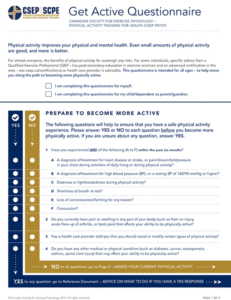
“Get Active Questionnaire” and “PAR-Q+” Accepted Screening Tools by BCRPA

"Get Active Questionnaire" and "PAR-Q+" Accepted Screening Tools by BCRPAThe Get Active Questionnaire and PAR-Q+ are now accepted screening tools  by BCRPA and associated insurance.  You can now use either questionnaire to pre-screen physical activity levels for your clients.  Learn more about these forms in the online, hybrid or classroom courses we offer.

BCRPA accepts both questionnaires as screening tools.  To download the questionnaires:

  • Get Active Questionnaire: Click here
  • PAR-Q+ (Physical Activity Readiness Questionnaire for Everyone): Click here
Posted in KINESIOLOGISTS.CA | Comments Off on “Get Active Questionnaire” and “PAR-Q+” Accepted Screening Tools by BCRPA

BCRPA Older Adult Exam Acronyms

Here is the breakdown of the acronyms, section breakdown and number of questions per section for the BCRPA Older Adult provincial exam:

Acronym Question Exam Section
AP 8 Aging Process
LC 4 Leadership and Communications
ERM 3 Exercise Analysis and Risk Management
PR 3 Program Planning
POS 8 Program Organizational Skills
UM 2 Use of Music
PRO 2 Professional Development
=30

BCRPA Fitness Theory Exam Acronyms

Your Guide to the BCRPA Older Adult Exam

Everything you need to know about the exam format, study resources, and in‑person testing options.

Exam Format

  • You’ll answer 30 multiple‑choice questions in 30 minutes, and you must score at least 80% (24/30) to pass.

Your Exam Options

  1. Write the Exam Online.  When you are ready, you can write the BCRPA Final Exam online through ProctorU.
  2. Write the Exam In‑Person. If you prefer a paper‑based exam, my Studio in Cloverdale/Surrey is a recognized BCRPA Testing Centre. Pen‑to‑Paper Exam Fees. Email or call anytime for scheduling or questions.
    • BCRPA Exam Fee: $50
    • Supervision Fee: $50

Study Smarter With the Right Tools

Understanding BCRPA Older Adult Exam acronyms helps you study more effectively and reduces confusion on exam day.  You can also strengthen your preparation with our practice Older Adult exams, designed to reinforce key concepts and improve your confidence.  Try a Free Sample Practice ExamClick here

Posted in KINESIOLOGISTS.CA | Comments Off on BCRPA Older Adult Exam Acronyms

KINESIOLOGISTS.CA Online Academy (KOA)

KINESIOLOGISTS.CA ONLINE ACADEMY (KOA)

KINESIOLOGISTS.CA Online Academy (KOA) delivers BCRPA‑approved training designed for clarity, professionalism, and real‑world application. Aaron Tews—a certified and practicing kinesiologist and long‑standing BCAK member—develops every course. More than 25 years of teaching experience and thousands of successful students shape the curriculum.

Build your career as a BCRPA‑recognized Fitness Professional

Enroll in the KINESIOLOGISTS.CA Online Academy to begin your path in the health and fitness industry. Your enrollment provides one full year of access to these BCRPA‑approved courses:

  • Fitness Theory
  • Weight Training
  • Personal Training (requires Weight Training)
  • Older Adult (requires Weight Training or Group Fitness)
  • Group Fitness

You may complete any combination of courses and save up to $1,246 compared to regular pricing.  Access to the Online Academy is $899 + GST, offering a cost‑effective way to invest in your professional growth.

What your Online Academy enrollment includes

  • Access to all online courses listed above for one year
  • Basic email and phone support (8 a.m.–5 p.m., Monday to Friday)
  • Digital versions of all course manuals except the Older Adult manual (see details below)

Important details to know

  • Enrollment covers only the online courses and does not include any classroom courses.
  • BCRPA registration fees, exam fees, exam supervision fees (click here), ICE fees (click here), First Aid/CPR fees, and printed manual fees are not included. These costs are required by the BCRPA and must be paid separately.
  • You must complete each BCRPA course requirement before unlocking the next course.
  • Printed manuals for Fitness Theory, Weight Training, and Group Fitness are available for an additional fee (click here for more info).
  • The Older Adult course requires the ACE Coaching Senior Fitness manual, and you must purchase it separately.  A rental hardcopy version of the manual may be available through KINESIOLOGISTS.CA.
  • A three‑month extension is available for $299 + GST if purchased before your access expires.

The KINESIOLOGISTS.CA Online Academy (KOA) gives you a structured, affordable, and professionally developed pathway into the fitness industry.

Posted in KINESIOLOGISTS.CA | Leave a comment